Plano homeowners deal with the same water risks as the rest of North Texas, with a few local twists. Many neighborhoods in east and central Plano were built in the 1970s through the 1990s, an era when some builders used polybutylene supply lines, a plastic pipe that is known to become brittle and fail with age. Pair that with attic-mounted water heaters and hard winter freezes, and burst pipes and ceiling leaks are among the most common calls we get in Plano.
Newer homes and apartments around Legacy West, Granite Park and west Plano have their own patterns: failed PEX fittings, washing machine supply hoses and AC condensate overflows from air handlers in the attic. Because Plano homes sit on slab foundations, water spreads under hardwood, laminate and tile instead of collecting in a basement — so moisture mapping is essential to finding where it really went.
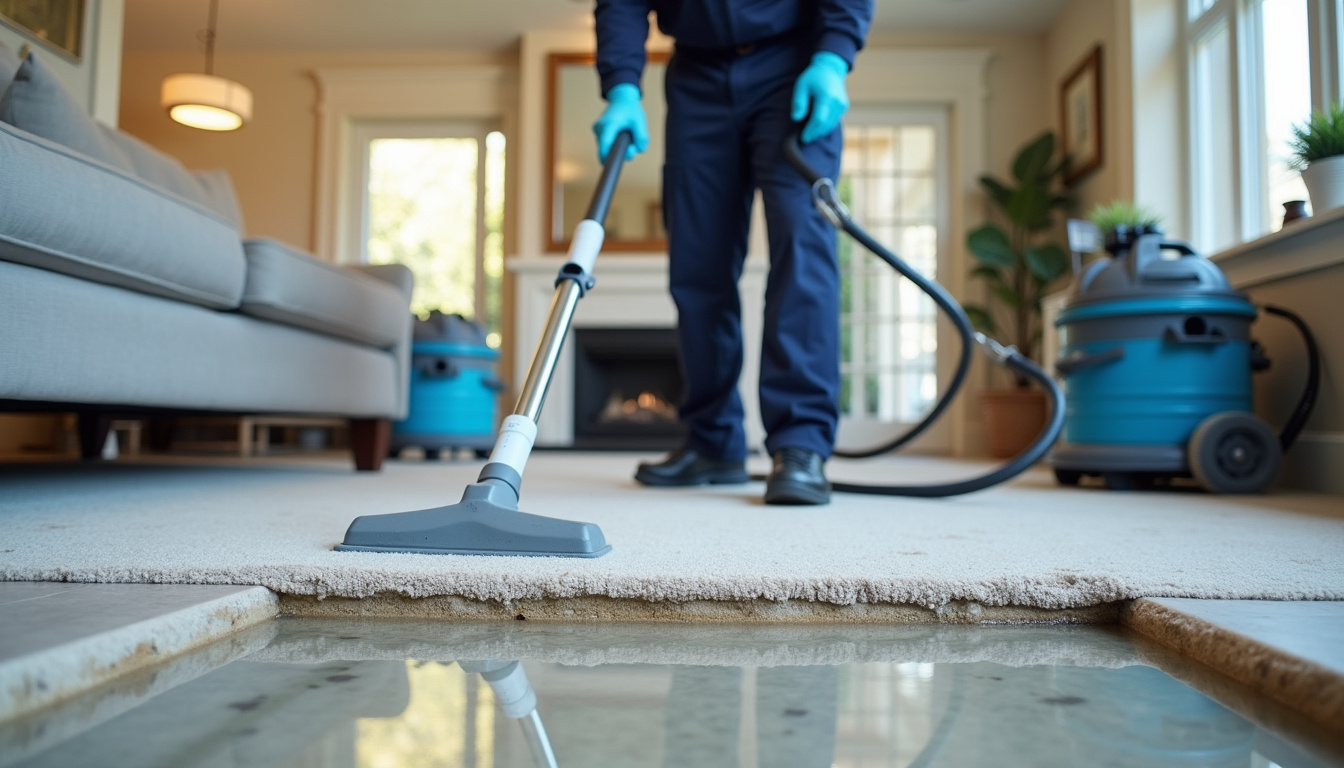
Our Plano water damage restoration covers emergency water extraction, structural drying, mold prevention and repairs, plus flood cleanup for properties near Spring Creek, Rowlett Creek and other drainage corridors after heavy storms. Commercial properties along the Dallas North Tollway and in Legacy's office parks get the same documented, phased approach.
Every Plano job follows our water damage restoration process: emergency water extraction, water mitigation and drying, and mold remediation when needed. Plano is part of our main [water damage restoration service area around Dallas](/). We also serve nearby Frisco and McKinney.
Around Plano
We regularly work near:
- 📍Legacy West
- 📍Historic Downtown Plano
- 📍Arbor Hills Nature Preserve
- 📍Oak Point Park & Nature Preserve
- 📍Granite Park
Water Damage Restoration in Plano — Local Notes
- •Polybutylene supply lines in many 1978–1995 homes
- •Attic water heaters and AC condensate lines
- •Storm runoff near Spring Creek and Rowlett Creek